

“The intangibles seem to be becoming more important, not less important over time. It seems to be becoming more like an art and less like a science as we go.”
This was Marc Andreessen describing how venture capital is changing1, but he could have been describing any industry.
Science is everything you can measure, test, and replicate. In one word, science is verifiable. That is also the word that Andrej Karpathy used to describe where AI will win.2 LLMs will suck in all of the writing, all of the images, video, code, and data. And then they will practice until they simply don’t make mistakes.
What is left for humans is art. Intuition, feel, anything you can’t put into words or systematize. The “special sauce” that anyone who is at the top of their field has.
There are basically three forms of art in the business world. These skills will not only be defensible but become wildly more valuable as AI progresses. This essay breaks down what they are and how to develop them.
Taste
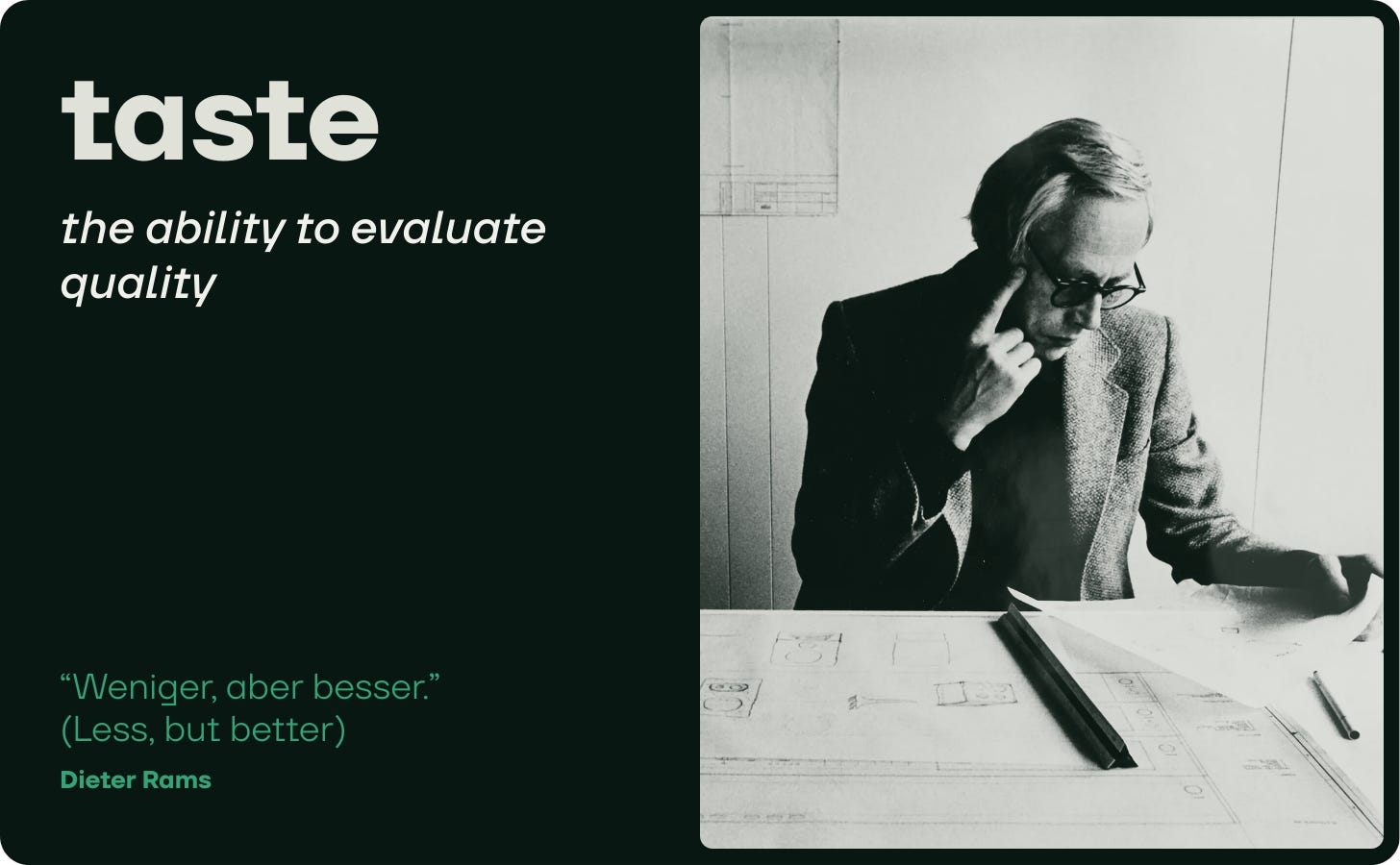
Taste is the ability to evaluate quality. That might be knowing which design customers will love or which words will resonate most strongly. It is sometimes called discernment, craft, or product sense.
When you study people with the very best taste, you hear one theme repeatedly: taste is not about adding things; it is about removing them. It’s an act of curation or editing.
Dieter Rams might be the greatest industrial designer of the last century. Jony Ive copied was influence by him.3
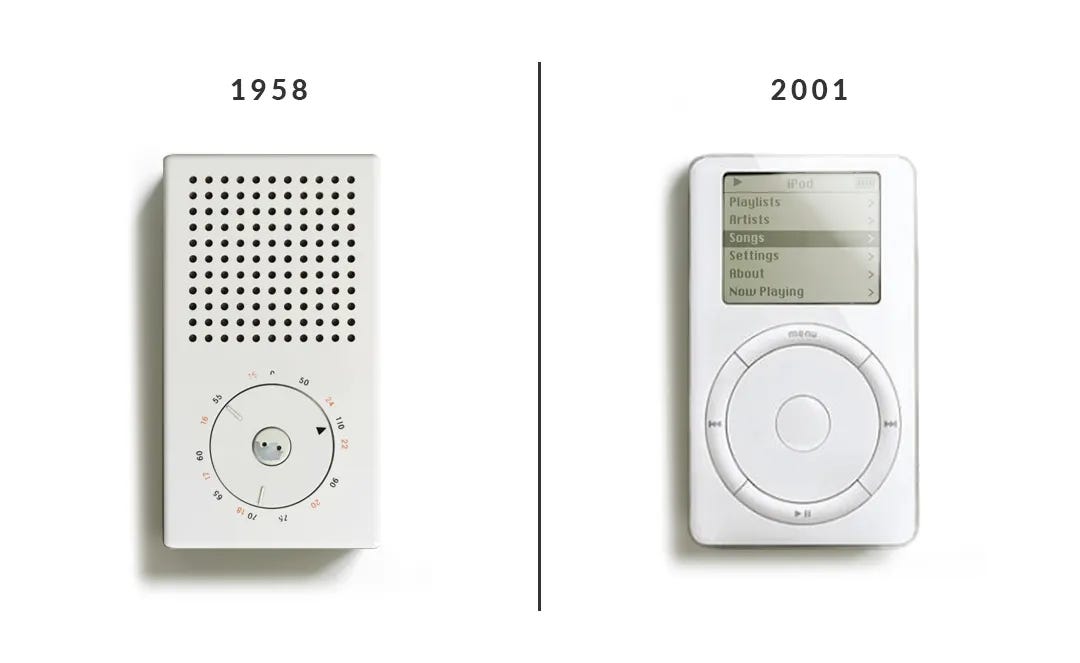
Rams lived by the axiom “weniger, aber besser” (less, but better). LLMs generate creative work at unprecedented speed, but they don’t know which of it is good. “Slop” translates roughly to “more but worse.”
As the volume of creative work explodes, we need people with great taste more than ever. The rise of vibe coding has led many companies to expect their designers to ship code. That’s great if it helps them prototype and edit faster, essentially acting as an accelerant for applying taste. But we should not turn designers into mini engineers. Because increasingly, code is cheap and taste is expensive.
In marketing, the ability to know what will resonate with an audience will resist AI. Generating many variations of creative, analyzing funnels, and running A/B tests will not. The best brand and product marketers will be standing long after the last performance marketers are gone.
Judgment
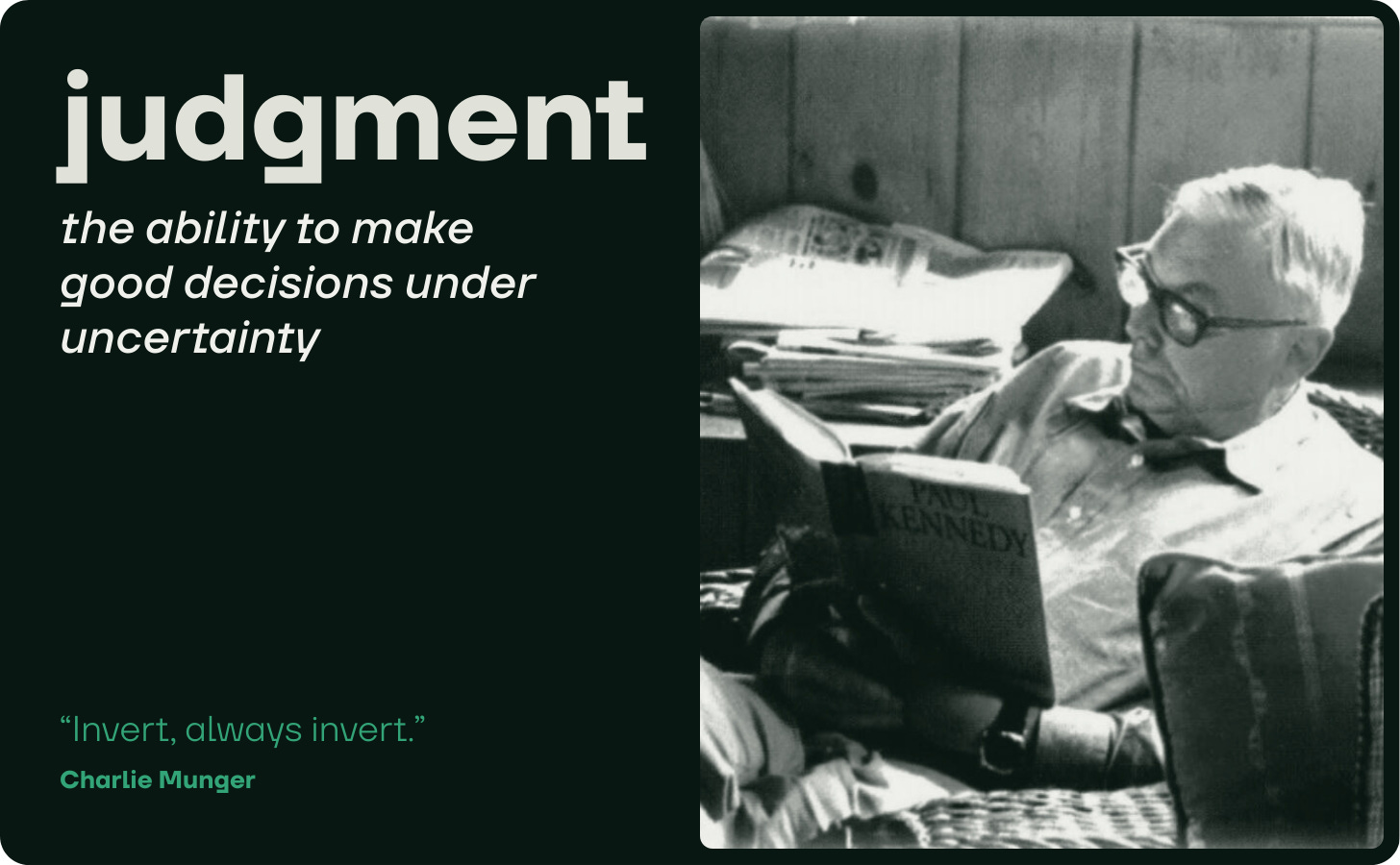
Judgment is the ability to make good decisions under uncertainty. It is sometimes called strategic thinking, systems thinking, or prioritization.
The one thing that’s going to be truly future proof is judgment … In an era when you can do everything, the question is which of these things matter. - Gokul Rajaram
Information is no longer the bottleneck: it’s easier than ever to know everything about how a business is performing, synthesize all of the feedback from customers, and see everything your competitors are doing. Judgment is the ability to parse all of that and decide what to do.
Investing is close to pure judgment because it presents the same information to everyone and requires them to make the right decision. Charlie Munger called it the act of “inversion” - conceptualizing the outcome you want and working back to today. That requires weighing all of the messy game theory, incentives, human irrationalities, and real-world constraints that will lead to the end result.
New versions of LLMs are getting better at solving harder rules-based problems and making fewer errors. But they’re making very little progress in coming up with “the answer” to strategic questions. You still have to provide LLMs with your hypotheses, and then you have to cut through the noise they generate to decide on a direction. You need to inject your own judgment.
There are many jobs today for which judgment is just one part of the scope. They are part art, part science:
Analysts are expected to make good business assessments, but also query, parse, and visualize data.
PMs are expected to prioritize the right product work, but also to document and coordinate.
Software engineers are expected to architect systems that are robust and scalable, but also to write the code itself.
Over time, these jobs will become pure judgment. Those with great judgment will do the work that ten people used to do. Those without it will need to find new jobs.
Influence
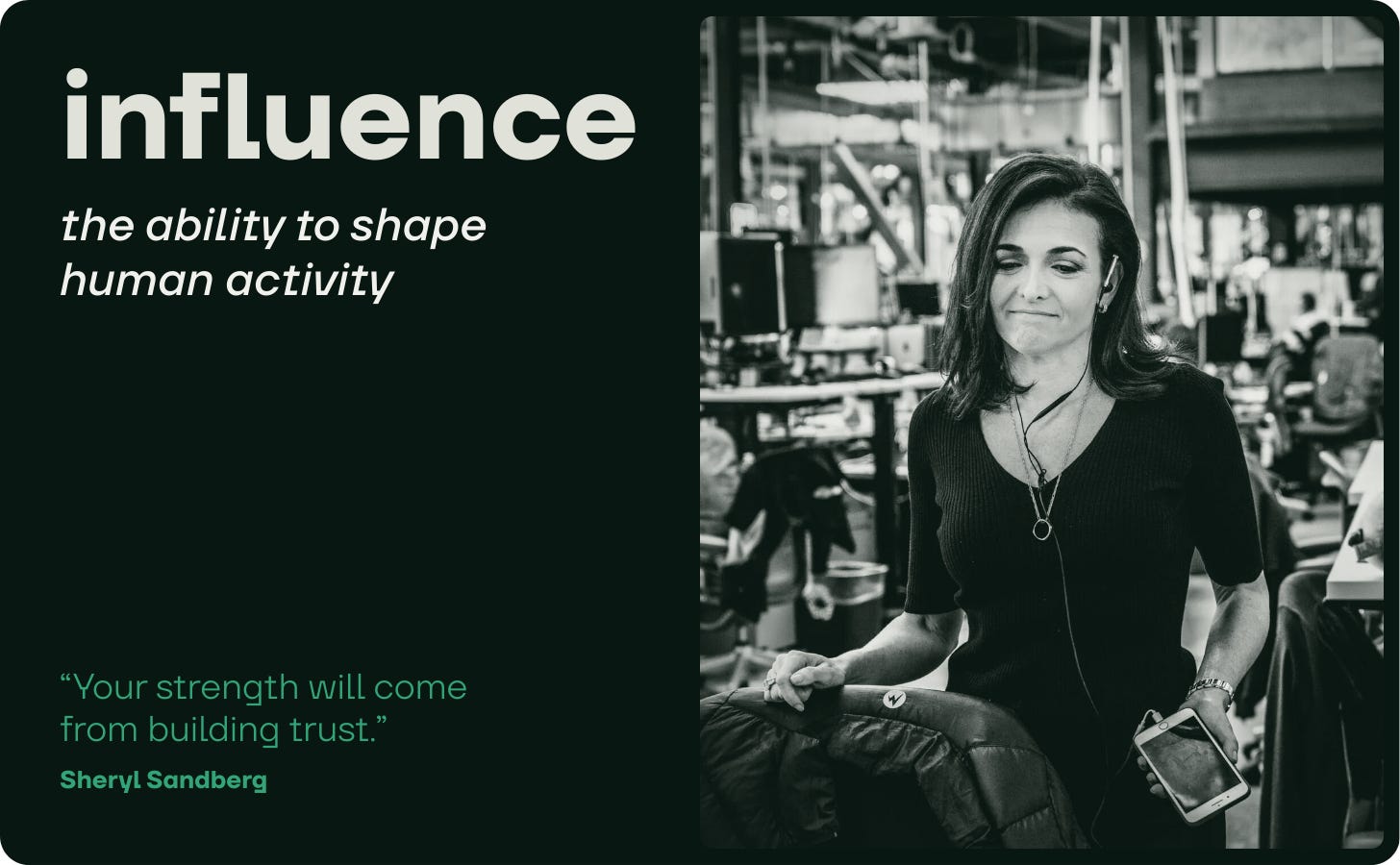
Influence is the ability to shape human activity.
Judgment tells you what kind of business to build, taste tells you what kind of product to build. Influence gets people to actually help you build it.
Influence is sometimes called leadership, persuasion, or emotional intelligence. To be great at it, you must understand human motivation and desire. And you must be able to communicate with clarity and resonance, creating shared meaning.
But most importantly, you must be able to build trust with other humans.
Tobi Lütke has a metaphor called the “trust battery”. A relationship starts at some baseline charge - say 30%. Each interaction either charges or drains the battery. Trust grows as you repeatedly make choices that demonstrate reliability and good intent.
AI can’t build trust because it can’t make choices. Being trustworthy is predicated on having the option to do the wrong thing but deciding to do the right one.
Sheryl Sandberg is archetypal of someone who excels at influence. At Facebook, she took the vision and did the messy work of getting a big, complicated org to row in the same direction to achieve it. It’s not surprising that she talks a lot about trust:
Your strength will not come from your place on some org chart, your strength will come from building trust and earning respect. You’re going to need talent, skill, and imagination and vision, but more than anything else, you’re going to need the ability to communicate authentically, to speak so that you inspire the people around you and to listen so that you continue to learn each and every day on the job.
Any job with influence at its core will be highly resistant to AI. Some people have observed AI’s success in automating customer support and predicted that it will do the same for sales, but they’re wrong. Customer support is about solving a specific problem, and humans are OK letting a machine do that for them. But sales is about influence, trust, and credibility. For that, you need a human. Great salespeople will be standing longer than almost any other profession.
How do you develop these skills?
It is by definition difficult to say anything precise about how to learn taste, judgment, or influence - they are art, after all. But it does seem that as they become more important, certain approaches to learning are becoming more important as well.
Information diet
If you ask an artist or a designer how they developed their “eye,” often you’ll hear something about the other authors or designers they love. They’ve made a conscious attempt to expose themselves to the best in their field in order to understand what great looks like.
This is not just about taste. Learning judgment requires studying the best businesses, being part of highly functional ones, and watching great leaders make decisions. Learning influence requires cultivating relationships with many kinds of people and exposure to those who are charismatic and genuine.
Slop is career poison. The algorithm feeds you things that play to your base emotions, which is close to the inverse of the best quality. Do that long enough and your ability to recognize greatness will atrophy. More than ever, we need to intentionally curate what we’re exposed to.
Feedback loops
The unsatisfying answer to “how do you get good at something like making strategic decisions?” is often that you need a lot of reps. There is no rulebook, so you just have to practice.
And you don’t just need attempts, you also need to see if they work. You need a closed feedback loop.
This is one of the dangerous things about fields like consulting. They are excellent at giving you exposure to many topics, but bad at allowing you to see the consequences of your actions.
For people early in their careers, the best environment is often something like a mid to late-stage startup. They are operating at sufficient scale and rigor that the work has real consequences, but they are still nimble enough that you can take many swings.
Physical presence
It’s very dangerous for junior people that AI and remote work are rising at the same time.
The kinds of things you can uniquely get in person are often exactly those that are hard for AI to replicate, because it’s the only kind of data AI can’t get its hands on. The subtle cues you get about how someone is feeling when you speak in person. Watching someone use the product over their shoulder instead of over Zoom. The tone of the “meeting after the meeting” where product decisions actually get made.
Being in person, surrounded by talented people, is an accelerant for developing taste, judgment, and influence. Anyone (especially anyone early in their careers) with the ability to work in the office at least a few days a week probably should.
Mentorship
Perhaps the biggest risk is that AI automates entry-level work, but entry-level work is how you get the reps to build taste, judgment, and influence. If law firms don’t need associates, how do they train partners?
This problem will be solved, because it has to be solved if great companies and firms want to survive. But it could be a very rocky ~decade.
One way to protect yourself is to have great mentors. That could mean mentors in the traditional sense: people who have done the things you want to do and can give you advice along the way. But it could also mean making sure you have an excellent manager, who will invest in you even if the incentives to do so are lower than they were before.
Specialty
There’s a debate happening now over whether the future belongs to generalists or specialists. Both sides are right.
The most successful people will be generalists when it comes to the way they solve problems. AI tools will abstract so much of the job that roles will start blending. In AI-native startups, we’re already seeing product, engineering, and design blend into one “builder” role. Analytics, finance, and research could similarly blend into an “insights” role.
But they will be specialists when it comes to the problems themselves. Going deep into a particular industry, business model, or customer is how you can get deep enough to develop taste and judgment and to build up the credibility necessary to be influential.
Paul Graham has a recipe for doing great work. It requires getting to the “edge” of a field by going deep in it:
Four steps: choose a field, learn enough to get to the frontier, notice gaps, explore promising ones.
So if you’re trying to become an artist, this seems like useful advice:
Consume information intentionally
Get many feedback loops
Be there in person if you can
Seek out great mentors
Generalize on skills, specialize on problems
This advice is worth following even if AI progress plateaus. Taste, judgment, and influence have always been the highest forms of professional work. Becoming great at them has always been the surest path to impact, earning, and satisfaction.
It may just turn out that before too long, it is the only path.
Credits
Thank you to Tim (who has great taste) for his thoughts on this essay.
References
Tweet - “In this new programming paradigm then, the new most predictive feature to look at is verifiability. If a task/job is verifiable, then it is optimizable directly or via reinforcement learning, and a neural net can be trained to work extremely well. It's about to what extent an AI can "practice" something.”
Excellent essay. Here's a weird, adjacent idea on the artist thread: embed products/services with deeper meaning.
AI can mimic humans, but may never(?) have an intrinsic sense of fulfillment or purpose. It can't create from a place of "earned meaning," such as lived stakes, real tradeoffs, contradictions/paradoxes that humans have to carry.
Art example: AI can write a story about death, but only a human can wrestle w/ human mortality and create from that space
Product example: build a service that carries human story and POV; e.g. earned origin story, meaning embedded in component parts, even counter-trends as the point
It's the same impulse as buying local, buying from the influencer you trust, or choosing brands that reflect your values. As the "slop" grows, that type of discernment on the human/meaning level, the need for it, I believe will only grow.
Son of a gun this is a good essay. Subscribed!